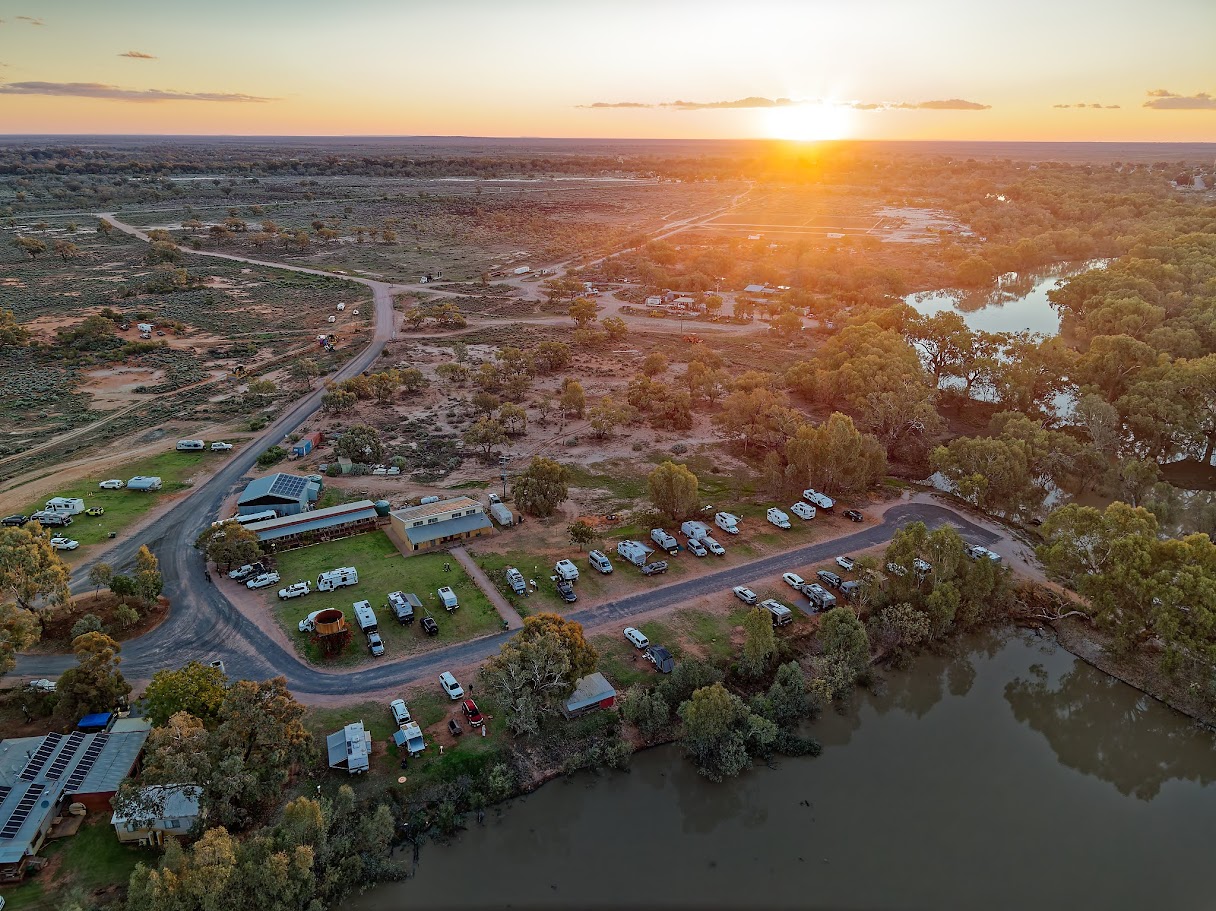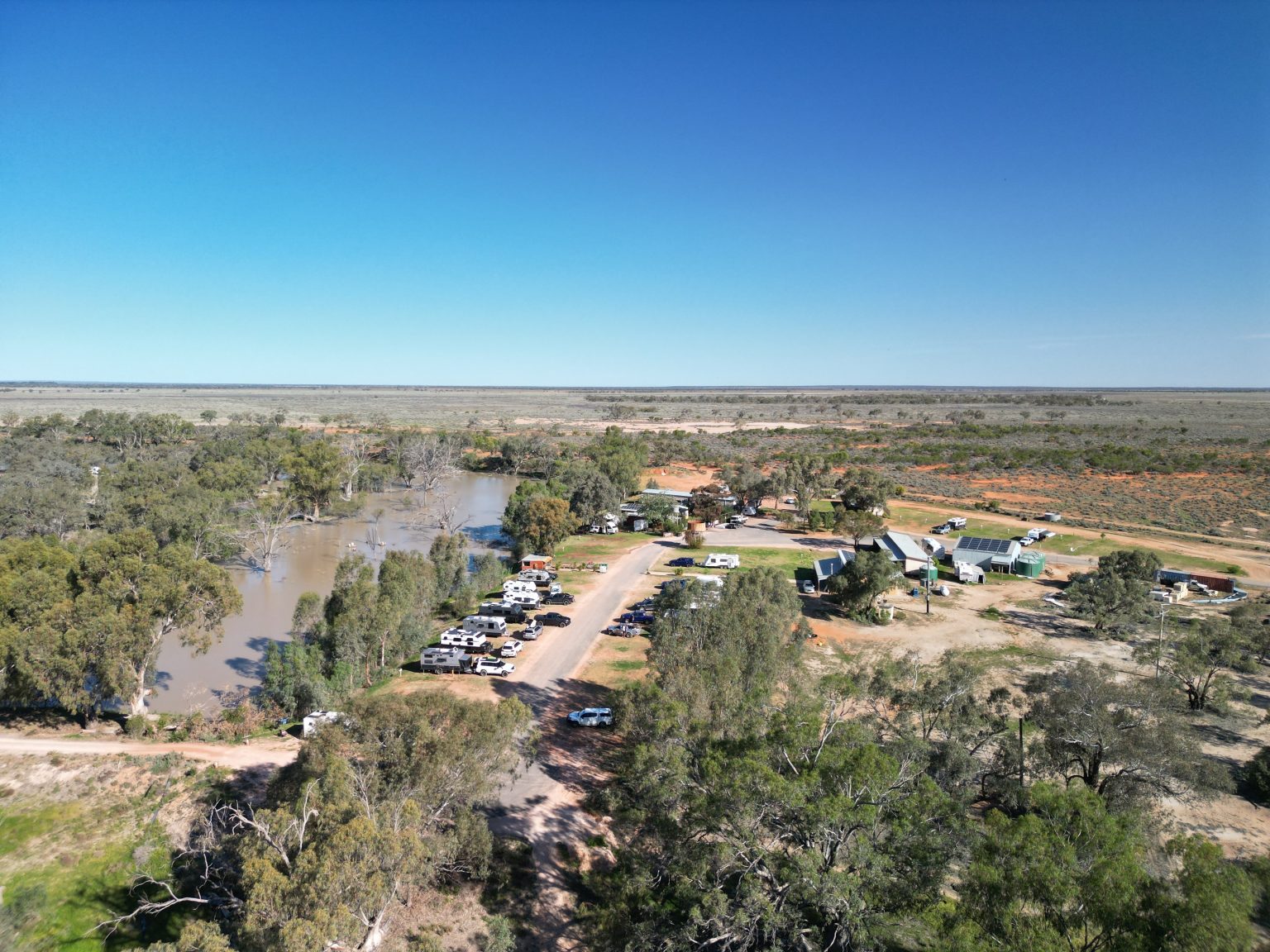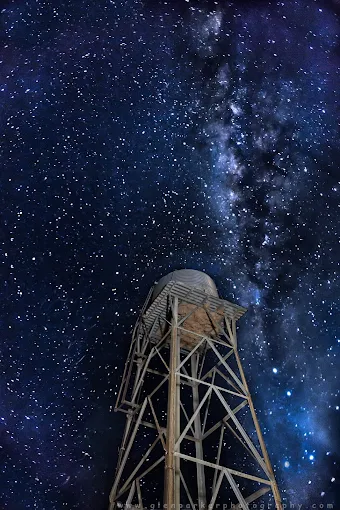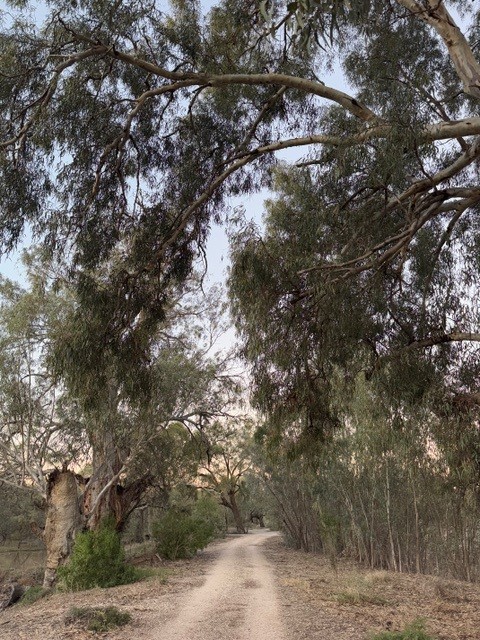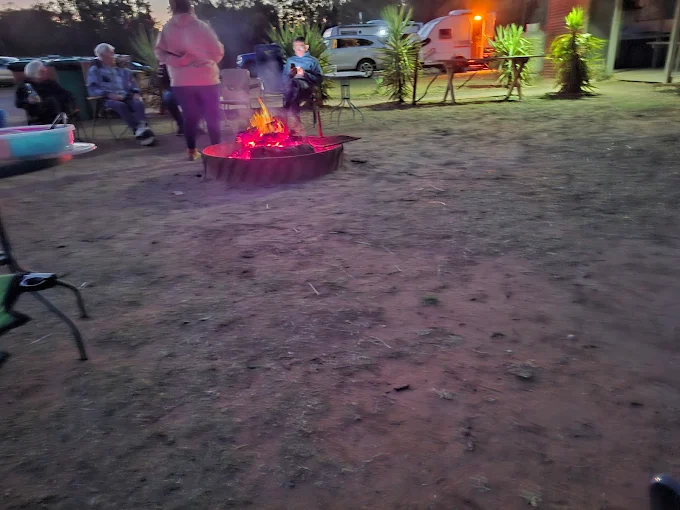

Warrawong on the Darling invites you to experience the real Australian Outback in comfort. Offering guests a range of accommodation options from self-contained cabins, powered sites and an abundance of wildlife and unspoilt tranquillity.
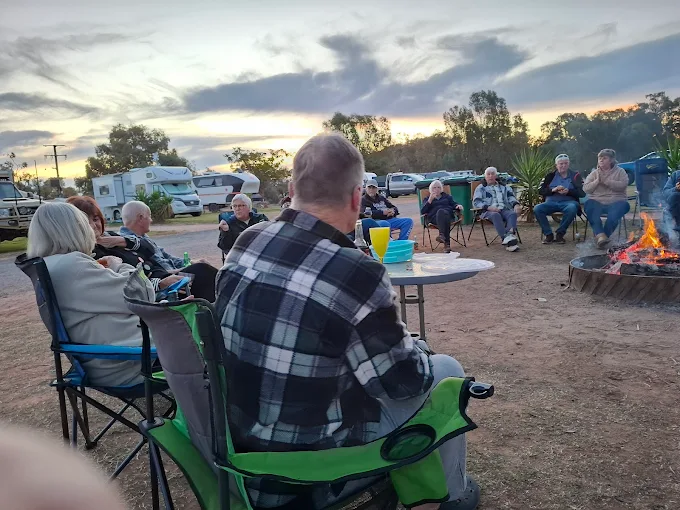
Simply sit by the beautiful natural lagoon and watch the amazing variety of birds and enjoy the campfire at night or make the most of the outdoors and fish for a yellow belly, launch your boat or canoe or grab a mud map and bird list and enjoy a bush walk on the 1700 acre property.
This site currently has no reviews. Be the first to review this site.
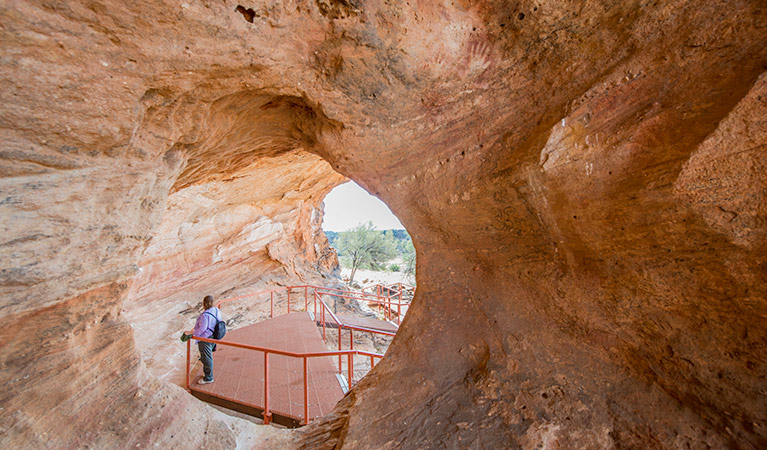
The ancient landscape of Mutawintji National Park, north east of Broken Hill, is rich in Aboriginal history.
Book a tour to see Aboriginal rock art, hear Dreamtime stories, and learn about Aboriginal culture at Mutawintji Historic Site.
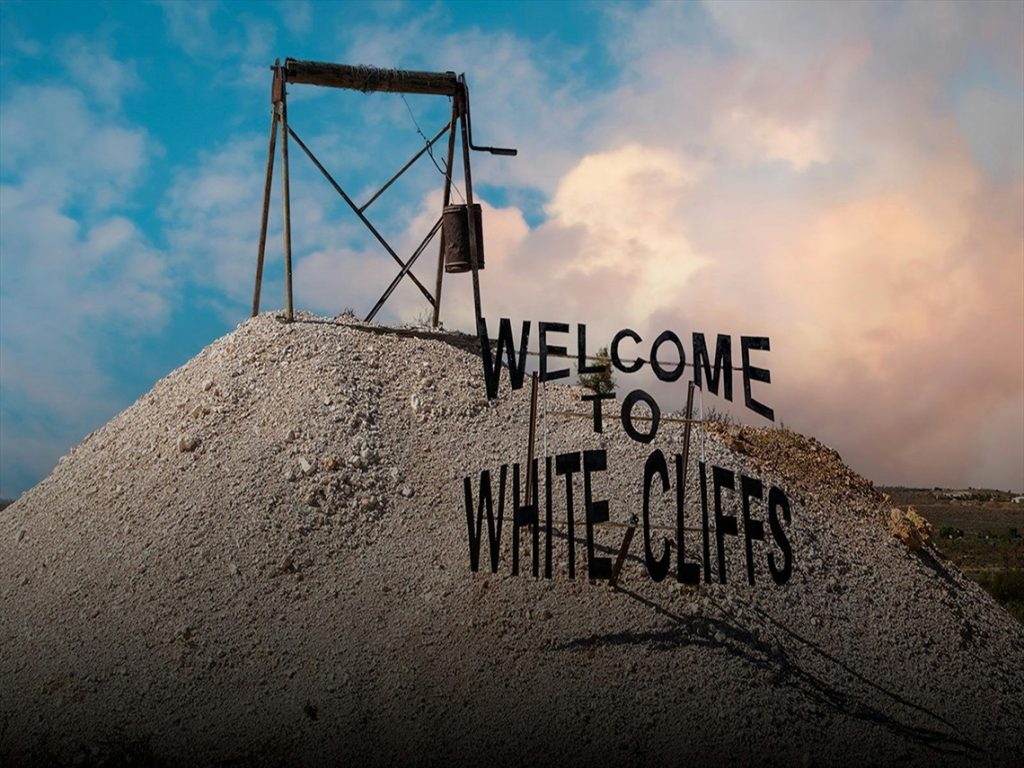
White Cliffs, New South Wales, Australia
Opal Fields: Australia’s first commercial opal field, discovered in the 1880s, with unique “pineapple” opals.
Underground Living: Many residents live in dugouts to escape the extreme heat, creating cool, airy homes.
Landscape: A stark, crater-filled “moonscape” from mining, with a desert setting.
Attractions: Opal mine tours, the first Australian solar power station, and a grassless golf course.
Tucked away in one of the most remote and spectacular corners of NSW, the White Cliffs area is famous for its opal fields, underground living, colonial heritage and striking desert landscapes. Discover the famed mining settlement of White Cliffs, the towns of Wilcannia, Tilpa and Louth, and the beauty of the Paroo-Darling National Park.
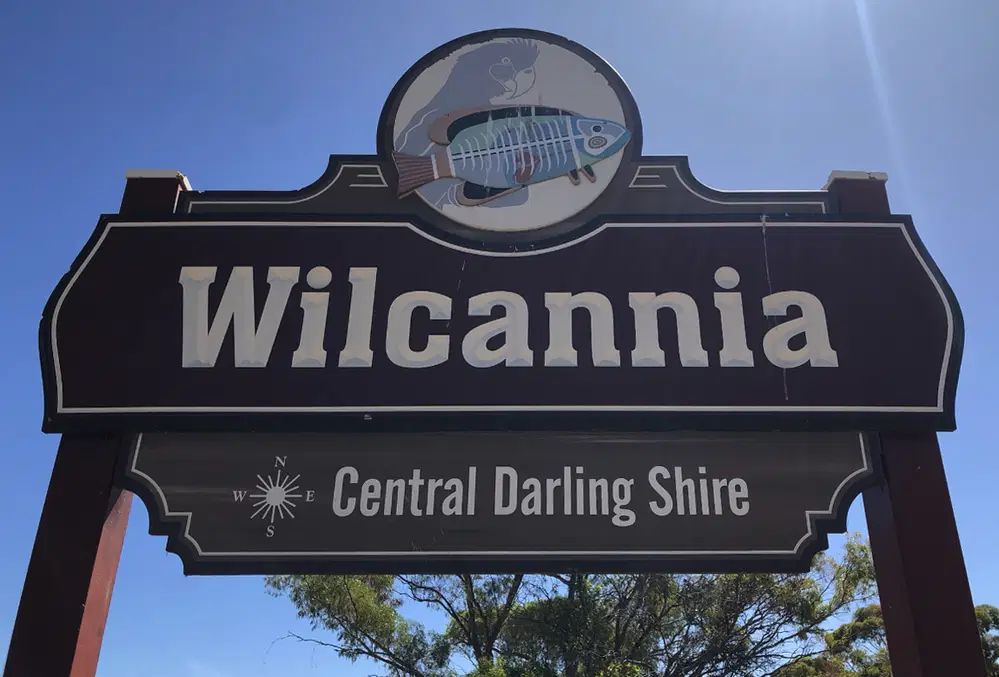
Wilcannia is a historic outback town in New South Wales, Australia, located on the Darling River, famous for its rich Indigenous culture, impressive sandstone heritage buildings from its 19th-century river port era, and as a key stop on the Darling River Run, offering outback experiences with a touch of history and emerging art scene. Once Australia’s third-largest inland port, it’s now a peaceful town with a strong sense of place, featuring historic sites like its bridge, courthouse, and post office, alongside modern services like an NRMA EV charger.
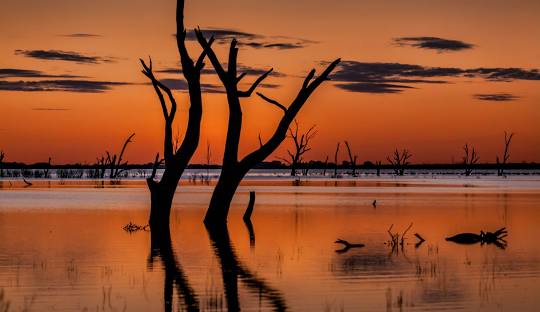
The Menindee Lakes is a system of 9 large, but relatively shallow lakes, located in south-west New South Wales on the Darling (Barka) River, about 200 kilometres (120 mi) upstream of the Darling River’s junction with the Murray River. The Darling River is fed by nine major tributary river systems flowing from south-east Queensland and north and central NSW. The town of Menindee is close to the lakes and Sunset Strip township is on the northern shore of Lake Menindee. The nearest city is Broken Hill.[4]
There are 4 main lakes in the system:
Lake Wetherell
Lake Pamamaroo
Lake Menindee (the largest lake, also known as Lake Minandichi[5])
Lake Cawndilla.
The lakes rely on replenishment, when water flows over the banks of the Darling (Barka) River.[4] The NSW Government modified the lakes (completed 1968) to improve their storage capacity for farming, recreation, mining and urban water supply and to help manage floods in the Darling River. In the 1960s, governments decided to use some of the lakes as water storages, building a large weir (Main Weir) to divert water into lakes Pamamaroo, Tandure and Bijijie. Levees, block dams and channels were built to regulate the flow of water in the system. There is relatively little information on the flooding regimes of the lakes before they were regulated (dammed) in the 1960s but they were undoubtedly highly productive and important wetland systems where many fish were spawned.[4]
The Menindee Lakes Water Storage Scheme supplies water to Broken Hill, the lower Darling and to water users along the Murray River in New South Wales, Victoria and South Australia under the Murray-Darling Basin Agreement. Seven of the lakes have been incorporated in an artificially regulated overflow system providing both for flood mitigation and as storage for domestic use, livestock and irrigation downstream. The lakes are also important for waterbirds.
Lake Menindee viewed from the Broken Hill railway line near Sunset Strip.
Recent research (Thoms and Delong 2018) found that the food webs have changed in a way that suggests that the ecological resilience of the system has declined.[4]
The lakes were filled to capacity in 2021 with Lakes Cawndilla and Lake Menindee filling completely in early September meaning that the system was filled to over 98 per cent capacity with water flowing into Lake Speculation for the first time since 2012.
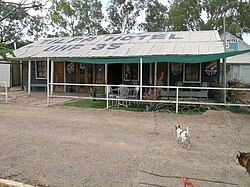
In its heyday, Tilpa was an important river port with paddle steamers delivering supplies to nearby sheep stations and returning down river laden with bales of wool.[5] The wool was taken to Wentworth—at the confluence of the Darling and Murray Rivers—and then either to Adelaide or to Echuca for passage to the port at Melbourne.[6] The town was home to a punt, allowing sheep, horses and people to cross the Darling River safely, for a fee.[5]
In June 1886 Tilpa was described as “a small township on the Darling” with “a good store”, a telegraph office and “a commodious hotel”. The township was known as a crossing-place on the Darling River, on the route between the Paroo district and the Sydney market. A punt was owned and operated by a man called Williams, who charged 25 shillings per thousand for crossing sheep.[7]
The punt has since been replaced by a bridge. The photo of the punt and the bridge dates it to after 1963 as that is when the bridge was completed.
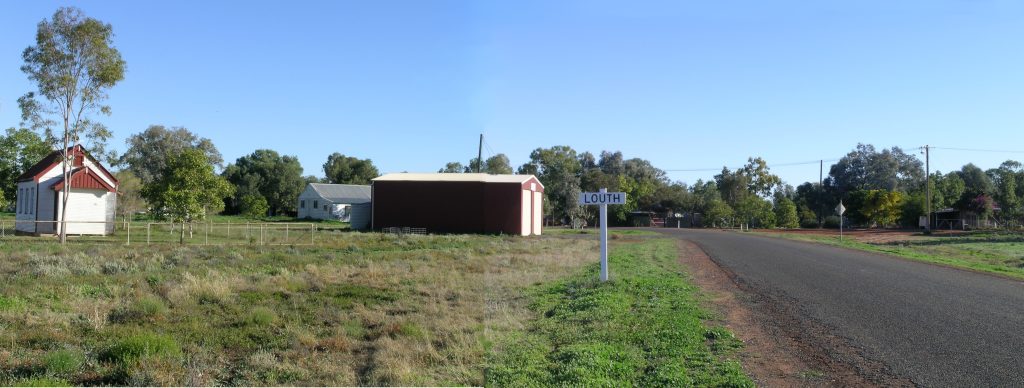
Louth is a village on the eastern side of the Darling River in New South Wales, Australia. The village is in Bourke Shire, 99 kilometres south west of Bourke and 132 kilometres north west of Cobar. The town is made famous by the Louth Races which are held in August each year, attracting crowds of nearly five thousand.
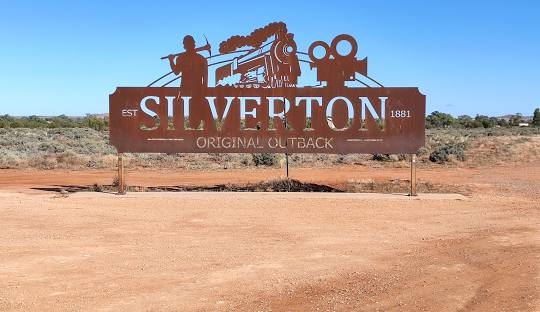
Silverton today is inhabited by a permanent population of only about 50 people, but its history and location make it a relatively popular tourist destination.[7] Several artists live in or around the town, including Peter Browne, Albert Woodroffe and John Dynon, with some maintaining their own galleries. This is in line with the significant number of artists working out of nearby Broken Hill, as the surrounding landscape and lighting is particularly amenable to the creation of art.[17]
Most of the original buildings have now vanished or lie in ruins, but there are some interesting buildings that remain, including the Silverton Hotel and the former Silverton Gaol. By 2007, Silverton had been the scene for more than 140 films and commercials thanks to the clear light, the character-filled colonial buildings and the scenic desert surrounds.[5] The hotel has been seen in several productions, and its inside walls are covered with memorabilia. These productions include Razorback, The Adventures of Priscilla, Queen of the Desert, The Flying Doctors, and Dirty Deeds.[5] There is a privately owned Mad Max 2 museum that pays homage to the motion picture that was filmed in the region.
A full refund is available within 48 hours of making a booking on Find My Campsite, as long as the booking was made more than 48 hours before the arrival date.
Product not available